
Electrical Trends 2025 Recap: What’s Driven the Industry Forward

Published: Tuesday, 06 January 2026
As we look back at 2025, we have seen the electrical industry evolve throughout the year, driven by sustainability goals and the changing of customers' needs. It is essential for electricians, contractors, and businesses to keep up with the latest trends in the hopes of staying competitive. In this article, we look back on the key drivers that have been shaping the industry’s future from 2026 and beyond.
Smart Technology Integration
A shift to smart homes and connected buildings is becoming a mainstay for people's homes and properties. Intelligent lighting, switches, and heating systems have allowed you to control your home wherever you are, helping you save money on energy bills and giving you the freedom of knowing that your appliances are switched off whilst you are away from your property. Integrated security systems allow you to control who is coming in and out of your property and help give you the comfort of knowing what is going on in and around your property.
For electricians, there is a new market of devices that are Internet of Things (IoT) enabled, which means new skills to install, configure, and maintain them are now required for the future.
We offer a range of smart home devices here, perfect for your home or properties.
EV Charging Infrastructure
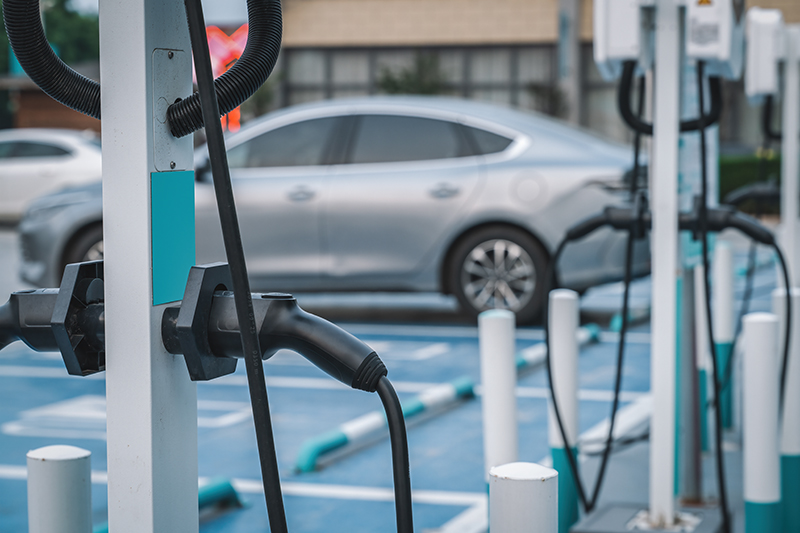
With the UK set to no longer sell petrol and diesel from 2030, electric vehicles are applying pressure within the electrical market to accommodate the increase of EVs on the road and will need an EV charging infrastructure to meet with the demand before 2030. New government incentives and funding have made it easier to invest in an EC charger for both your home and commercial properties, as you no longer need to apply for planning permission to install an EV charger at your home.
For electricians, being able to install EV chargers will open up job opportunities in the future and will help with the advancement of the EV infrastructure in the UK.
We offer a range of both home and commercial EV chargers, which you can browse here.
Renewables & Energy Storage
As we push for net zero in the UK, we are seeing increased implementation of renewable energy sources into the grid. Solar PV installations have been growing steadily throughout the years for both residential and commercial settings, and battery storage has been helping a business to cut their costs from managing peak demand prices. Microgrids are beginning to gain traction, giving customers full control over their power for their commercial buildings.
Energy Efficiency Regulations
UK government efficiency updates are seeing a push towards smarter electrical systems. Power factor correction, energy monitoring, and reduced energy waste are becoming essential in commercial sites. Electricians with this training will be able to deliver cost-saving, compliant solutions, and with the focus on businesses being more energy efficient, it makes electricians in high demand as these businesses look to cut their energy bills, so they meet their new regulatory requirements.
Green Products
With consumers being more sustainability focused, businesses are having to make their products greener to align with the demands of consumers. Eco-friendly cabling, recyclable materials, and low-energy lighting are now the go-to products in the market. These products and systems help electricians deliver more reliable and compliant installations.
Heavy-Duty Cable Management & Safety Innovations
Regarding worksites, safety and efficiency are the priority. Innovations have been made, such as fire-resistant trunking, and faster installation systems are helping electricians to deliver more reliable and compliant installations. As projects grow in scale and complexity, demand for durable, smarter solutions will only increase.
Electrical Safety
Within the electrical industry, security remains a priority with a fast-evolving industry. CCTV, access control, and alarm systems are being integrated with smart systems, helping to provide smarter and proactive monitoring. Giving you the freedom to control your security systems, no matter where you are. For electricians, this creates opportunities to move into technology-driven installations.
Digitalisation of Electrical Work
Augmented and virtual reality are changing the way people can train and troubleshoot electrical systems. As the technology progresses, the opportunity is there for AR and VR to become useful tools for electricians and help them deal with issues such as error prevention, real-time problem solving, remote assistance, and much more. Given the correct support, AR and VR have the potential to become invaluable tools for tradesmen around the UK in handling the ever-changing industry.
Skills & Workforce Development
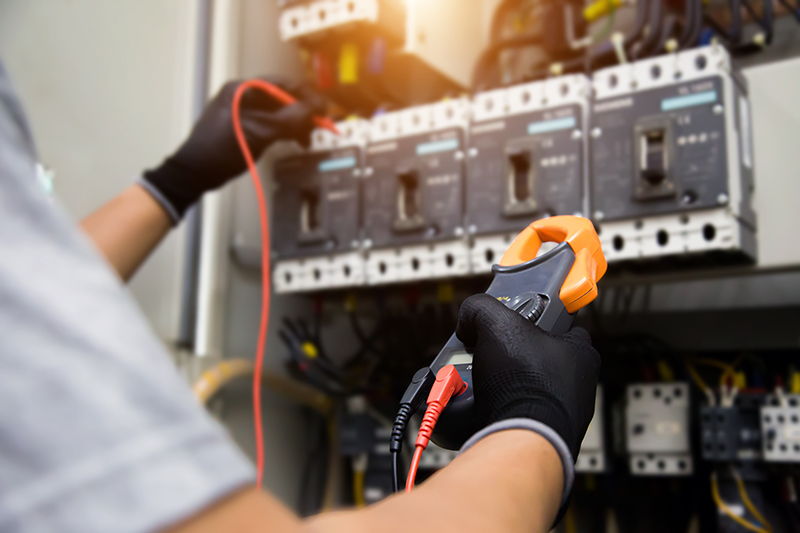
The industry is facing a shortage of skilled electricians, with the workforce declining by 25% since 2018. On top of this, we are seeing new technologies like EVs, renewables, and smart systems require updated skills, affecting the areas in which the workforce can work, meaning training and upskilling are becoming essential. To help address the shortage, the UK had launched several initiatives:
Apprenticeships and training programmes aim to attract younger people into the trades through apprenticeships.
Skill bootcamps are a short-term solution to help reduce the cost of training and can even provide people with full funding if they are eligible.
With the focus on renewable energy, the government is pushing to upskill the current and future workforce to help meet the goal of 70 GW of solar capacity by 2035.
Government Policy & Incentives
As the UK pushes towards its Net Zero targets, it is setting the pace for the industry to adapt. EV grant and regulation updates have made it so it’s never been easier to invest in an EV charger for your home and commercial property. The government policy is a major driver for market growth, and electricians who stay ahead of these policy updates will be best placed to take advantage of the new opportunities.
Customer Demand & Lifestyle Changes
Customers are still driving change within the industry. Whether it’s homeowners looking to cut their energy bills with solar or businesses adopting smart systems for efficiency, expectations within the industry are high. Convenience, sustainability, and cost savings are top priorities, and electricians are instrumental in achieving these goals.
In 2025, the electrical industry has been shaped by innovation, sustainability, and customer demand. EV charging and smart homes have helped to future-proof our homes and properties. Green products and workforce development have helped to create opportunities for electricians within the industry; helping people who are in the industry stay informed and adaptable will be the key to success.